National Inclusion Week 2026: Who Gets Left Behind When the Future Arrives Early?
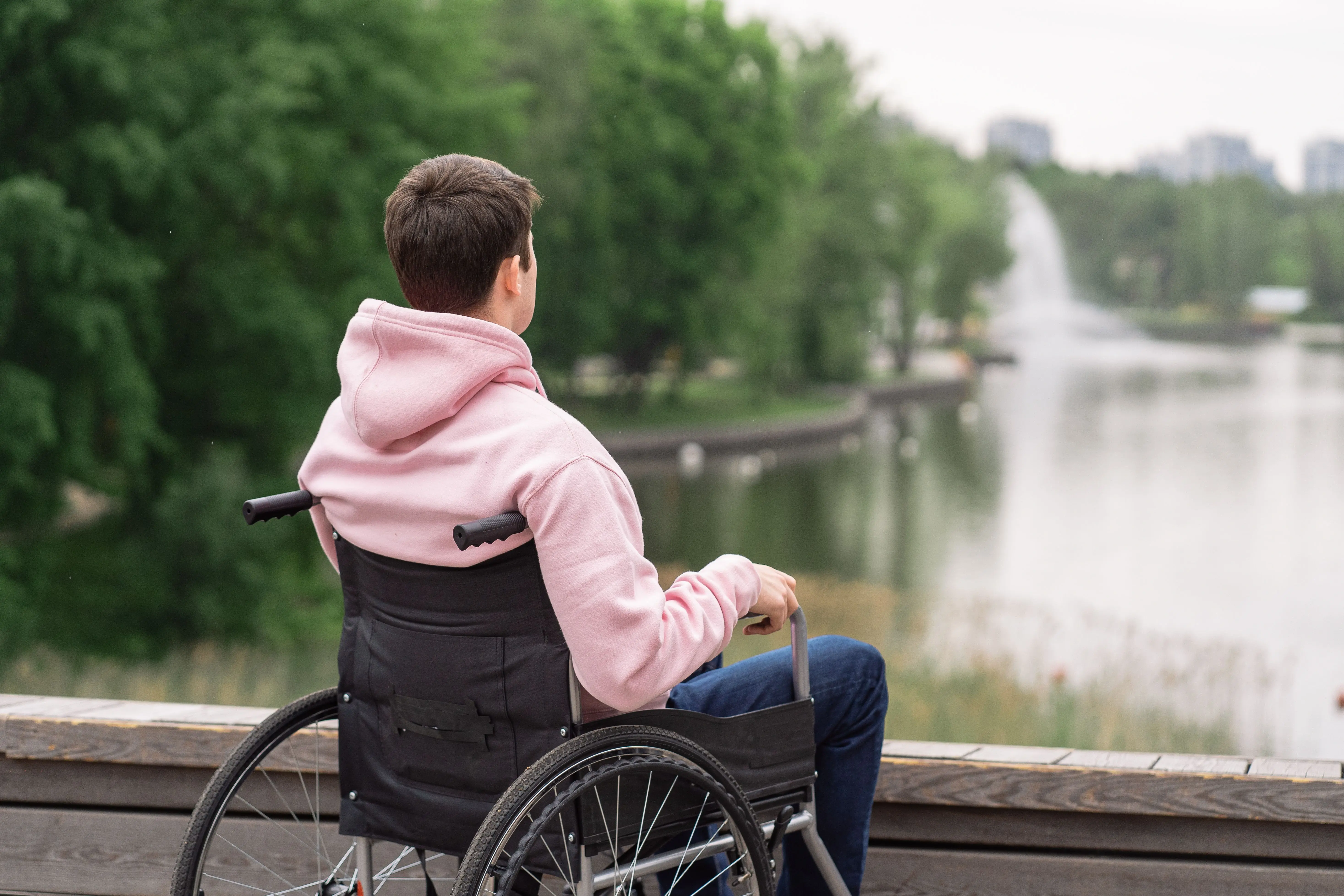
London got its first self-driving taxis this month. It also got camera glasses that will read a menu out loud to you. Both were described as a step forward for accessibility, and neither was designed with blind or partially sighted people in the room.
We spent three of our Friday social sessions asking the people it affects what they actually think. This is what they said.
In short:
- Self-driving taxis launched in London on 3 September 2026, with a safety driver still in every car
- The gap our community keeps pointing at isn't driving. It's the first and last few metres of the journey
- Camera glasses are doing real work for blind users, while the one safeguard in their design is a light that blind users can't see
- The Department for Transport has confirmed in writing that these vehicles are meant to add to human-driven services rather than replace them
- National Inclusion Week 2026 runs 14 to 20 September under the theme "Build Trust. Navigate Change."
The email that started this
One of our VIPs couldn't make the session on self-driving cars, so he sent his views in writing and asked us to read them out. We did, in full, and they shaped everything that followed.
He is totally blind, wears two hearing aids, and has some joint issues but manages walking with assistance. What he needs from a journey is specific, and it hasn't changed:
"I will always need a private hire vehicle with a human being driver and door-to-door transport, so that I can hold onto the driver's elbow to be taken to the vehicle, then driven to the venue and taken to the venue front door."
-VIP, London, by email
His conclusion was blunt. Driverless vehicles will never be usable by people in his position, particularly those who also have hearing difficulties, and they should not be allowed to replace vehicles with a human driver. He asked us to record his points for future reference and action, which is part of why this post exists.
There's a detail worth sitting with. He can't join our Friday sessions because Friday is the day his computer support worker comes in to go through his email. The reason he couldn't attend a conversation about access is itself a question of access, and no amount of sensor hardware touches it.

What the Department for Transport has already put in writing
After the session, the same VIP sent us a reply he received from the Centre for Connected and Autonomous Vehicles at the Department for Transport, dated 14 May 2026, written on behalf of the interim chair of the Disabled Persons Transport Advisory Committee. He asked us to note it for future reference, so here it is, and the last two paragraphs are the ones that matter most: the Department states that these vehicles are expected to complement existing services rather than replace them, that human-driven services will continue far into the future, and that some operators are describing a mixed-fleet model where automated vehicles feather into existing human-driven fleets. It also recognises the range of duties taxi and private hire drivers carry out in delivering inclusive services, and points to research commissioned on exactly that. The letter sets out that the Automated Passenger Services permitting scheme arrived in spring 2026 for small-scale pilots, and that an APS Accessibility Advisory Panel is developing guidance for operators on the statutory reporting duty on accessibility and safeguarding in the Automated Vehicles Act 2024. That panel is built to include people with lived experience, which makes it one of the few places where a VIP's view lands before the rules are written rather than after.
The research the Department points to is worth reading if you work in this field. Published in June 2025, it catalogues the non-driving jobs that drivers currently do and asks whether anything else could do them. One of its own examples is guiding a visually impaired passenger to the vehicle. The government has already written down that this is a real task performed by a real person. The open question is what happens to it when the person is gone.
What arrived in London this month
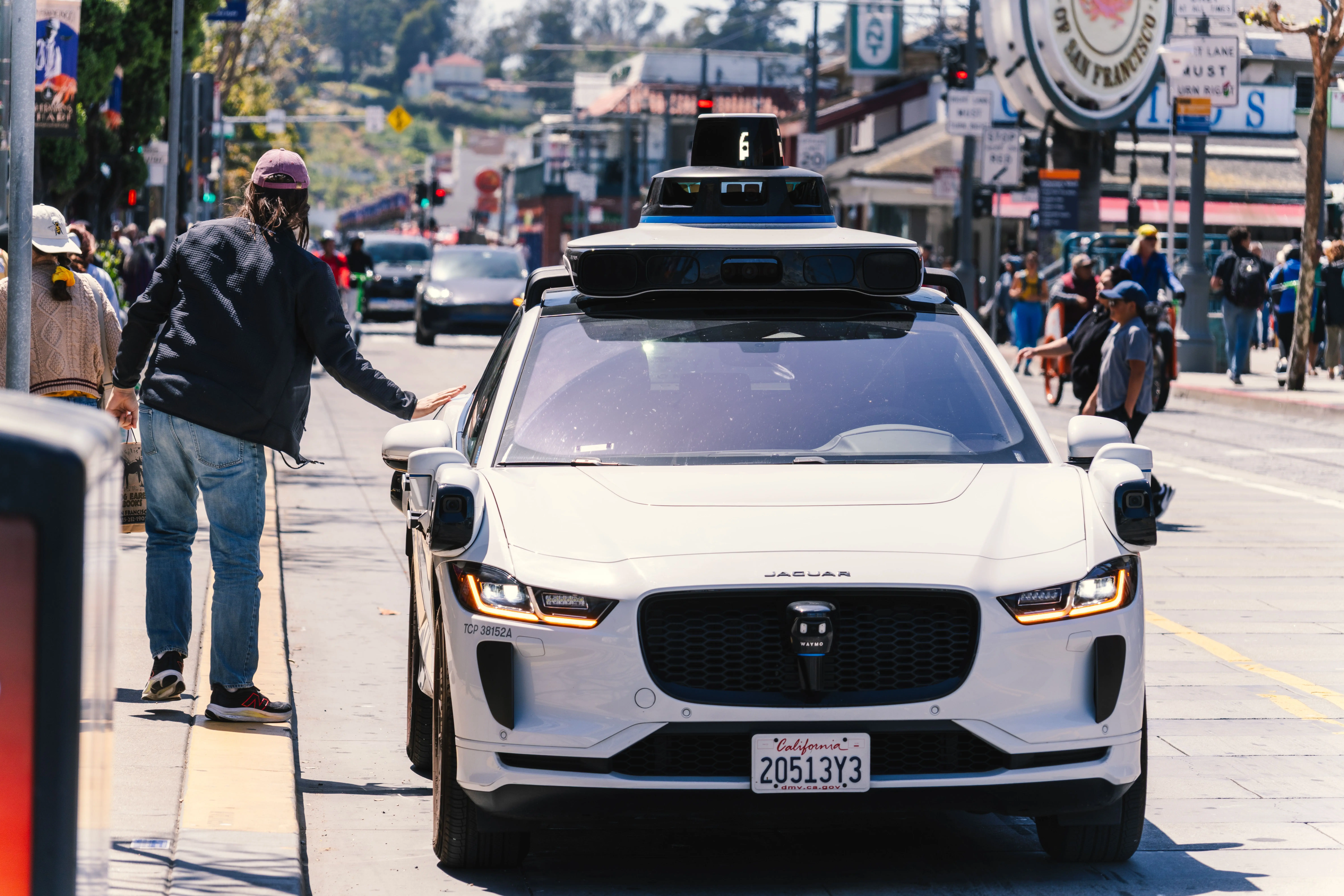
Self-driving taxis. Uber and the British company Wayve launched London's first self-driving taxi service on 3 September 2026, starting with fifteen electric Ford Mustang Mach-Es. Every journey still has a trained, TfL-licensed private hire driver in the front seat who can take control, and separate regulatory approval is needed before the service can run without one. Waymo is expected to launch in London by the end of the year and has said it will do so with nobody in the driver's seat.
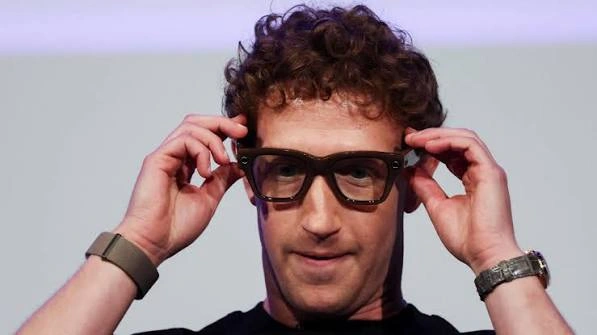
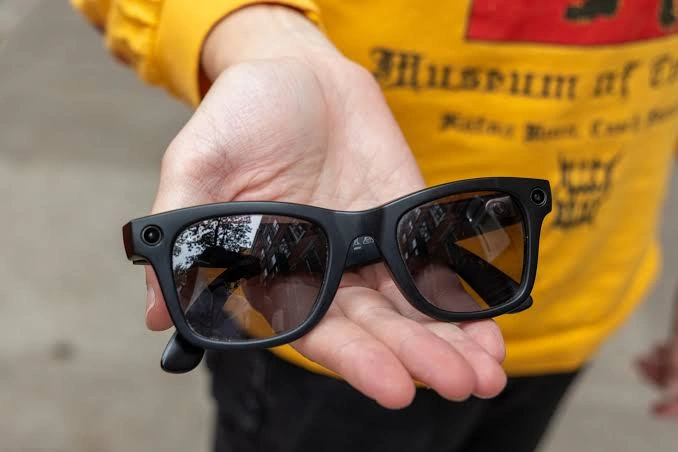
Camera glasses. These will read a menu aloud, tell you which tin is the chopped tomatoes, describe a street sign, and put a sighted volunteer in your ear without you holding a phone. They cost a few hundred pounds rather than the few thousand that purpose-built assistive eyewear runs to, and they look like ordinary glasses.
RNIB had put the accessibility case to Parliament before any of this went live. Its head of policy told a panel hosted by the All-Party Parliamentary Group for Self-Driving Vehicles that self-driving taxis could open up a genuinely new transport option for blind and partially sighted people, but only if accessibility and safety are treated as essential from the very beginning. The charity's wider point was that the first and last few metres of a journey matter as much as the drive, and that pedestrians, unlike passengers, get no say in whether they share the street with these vehicles.
What our community said about driverless taxis
Every Friday, Travel Hands runs an online social session where VIPs, volunteers and people from our wider community join from London, the rest of the UK, Barbados, the US and India. Everyone quoted below agreed to have their insight used. Names are withheld.
Finding the car
One of our team spent months living alongside autonomous fleets in the US. His account was that the only reliable way to identify your car is to read a letter it projects above its spinning sensor, or to listen out for the noise it makes. Both assume something about the passenger.
A VIP who went to an autonomous vehicle seminar at RNIB came away with the company's answers: the app works with VoiceOver and TalkBack, you can trigger a horn to locate the car, and customer service will talk you in if you can't find it.
"I don't know if it's true or not. We need to try it out."
VIP, London, on the answers he was given at an autonomous vehicle seminar
Nobody to negotiate with
This is the point that only surfaces if you've booked a lot of cars. With a human driver you negotiate constantly. Come to the right-hand corner, not the left. I've got luggage. Wait, someone's coming with me.
"How does negotiation work with these self-driving cars? And if they don't agree, do they say no, bye-bye, get out of the car?"
Travel Hands founder
A retired VIP who spent 23 years working on a bank switchboard put the same worry more plainly. If the car turns up and there is nobody in it, she doesn't like that idea at all, and she isn't being asked to.
Which door opens onto the road
Nothing in the vehicle tells you which side to get out on, which matters a great deal when one door opens onto moving traffic. The in-car feature being advertised is a touchscreen showing the planned route in dozens of languages. That's a good feature for a lot of passengers and no use whatsoever to someone who can't see it.
Nobody in the group had seen a wheelchair accessible vehicle in any of these fleets, because the cars are all saloons. And because the vehicles are quiet, a blind pedestrian at a crossing may not hear one approaching at all.
The fix that isn't a robotaxi
A volunteer who designs for a living had been to a talk where autonomous vehicles were presented as a force for good, on the grounds that some passengers feel unsafe with a stranger driving. His response was that this is a real problem which deserves a real solution, and taking the human out is a way of sidestepping it. He also named the thing underneath it: accessibility still gets treated as a line of cost rather than part of the design.
He went further. He follows wheelchair users who document being turned away from London buses because a buggy is parked in the wheelchair space and the driver won't intervene. If a bus refused to move until the space was clear, he could see why someone might prefer the machine. The fix he actually wants is for TfL to sort out the training and the policy, which is where we landed too in our honest guide to London public transport accessibility. People get pushed towards automation by humans who have let them down.
And the sharpest line of the session came from a VIP who has been making the argument for years: disabled people don't need robotaxis, they need public transport that works, because a bus fare and a robotaxi fare are not the same number and never will be.
What our community said about camera glasses
What they unlock
The enthusiasm here was real, and most of it came from volunteers who had watched the glasses work. One has taken two VIPs out who own a pair, and described them reading menus, instructions, adverts and signs aloud. Another told us about a retired optician who lost his sight and now carries several pairs in his pockets, because with them he can shop without his wife. He points his face at an item and hears the colour, the size, what it's made of.
"It enhances your independence. That's what we strive for."
VIP, on camera glasses
One volunteer went further and said that for blind and partially sighted people these should be available on the NHS, which they are not.
The camera nobody can see
The scepticism in the room wasn't about whether they work. A VIP joining from Barbados said she couldn't see why sighted people need them at all, given that the main thing they add for someone who can already see is a camera nobody can spot.
That's the problem in one line. A sighted person can notice the small indicator light and ask you to switch it off. A blind person cannot, which means the single safeguard in the design is invisible to exactly the group the glasses help most.
"The problem is, it will be abused. And once something's invented, you can't put it back."
Travel Hands volunteer
Banned at the door
A participant in the US told us about a friend with almost no usable sight who was stopped on his way into a shop and told he couldn't wear them inside. Her reaction was anger, because that was his afternoon out, and she would have walked straight back out of the shop.
Venues are writing these rules quickly, and a rule written for one customer lands on another. Since sight loss looks different for everybody, a door policy that expects people to prove blindness before they can keep their glasses on is a policy that will get it wrong.
The pattern: discovered by us, not designed for us
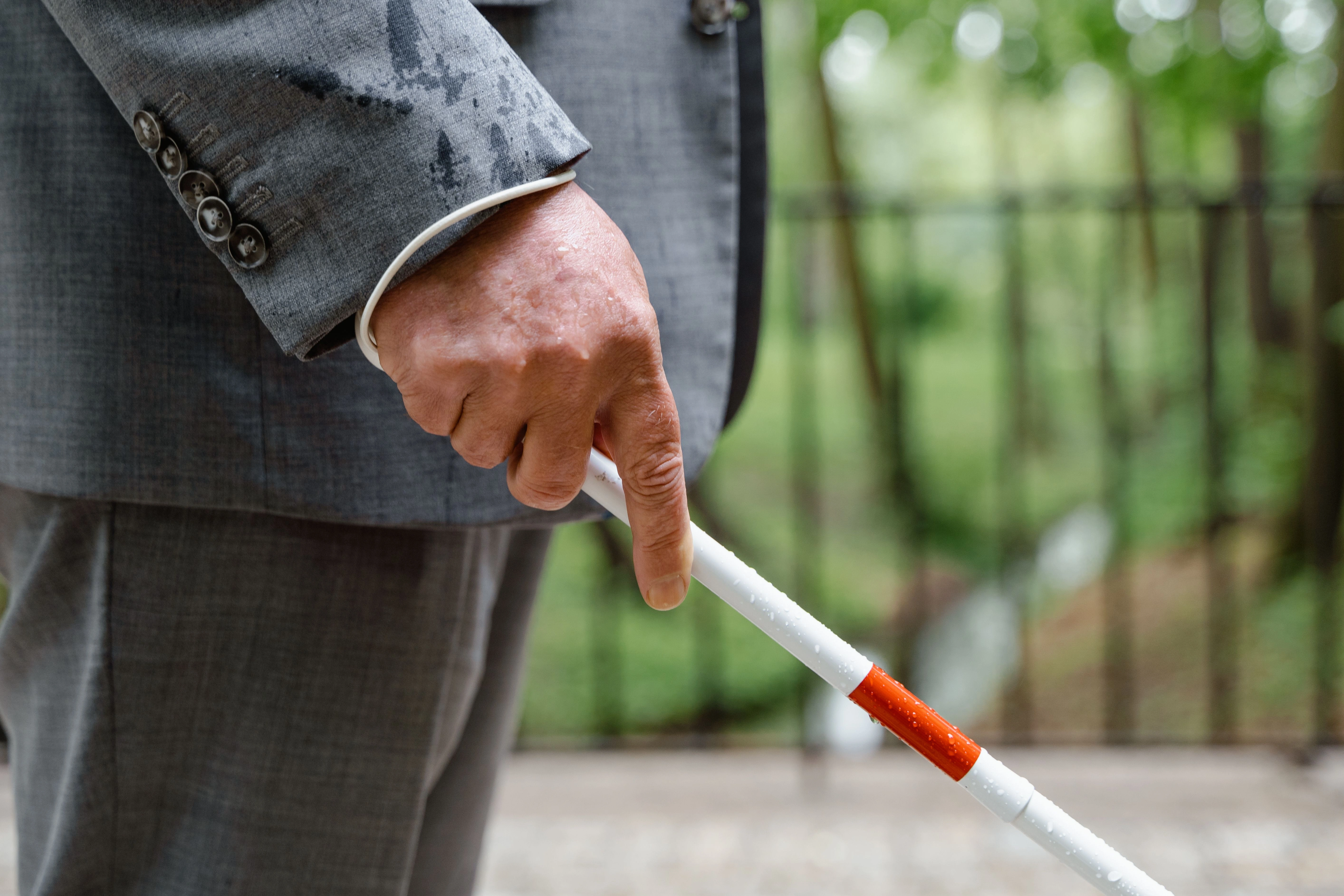
Neither product was built with blind users in the room. Blind users found them, worked out what they were good for, and the accessibility case got made afterwards by the people it helps rather than by the companies selling it. One of our team summed up the sequence: the technology ships, adoption happens, and only then does somebody ask what's missing and add it in a later release.
That sequence has one genuinely good consequence, which came up in the cost conversation. Technology aimed only at disability gets priced as a small market, sometimes at several times the price of the mainstream equivalent, because the manufacturer assumes few buyers. Something built for everybody carries a smaller price tag, which is the difference between a grant application and a purchase.
"Technology is inclusive only when it is not priced higher just because it caters to a lower percentage of the population."
Travel Hands team member
One participant noted, fairly, that companies do build accessibility in more than they used to, and our own look at inclusive design in everyday UK life found the same.
The trouble is that nothing is guaranteed. If the useful features are accidental, the next model can drop them and nobody in the boardroom will notice. Asked whose job it is to prevent that, the room split between the companies making the money and the governments writing the rules, then mostly settled on both. The clearest answer came from a VIP: we can't keep asking, after launch, for an app or a website or a vehicle to be made usable. It has to be built that way from the start, by the people making it, with the people who'll use it present while the decisions are still open.
That principle is why our VIP Ambassador Programme pays blind and partially sighted Londoners for exactly that expertise, and why our VIP Assistant went out to VIPs as a test version rather than a finished product. Our remote guiding trials exist for the same reason. AI can do a great deal, and it still cannot safely guide a person across a road, so we are learning from what human guides actually do before handing any of it over.
Build trust, navigate change, on an ordinary Tuesday
This year's National Inclusion Week programme includes a session on inclusion in an AI-enabled workplace, which tells you how fast this conversation has moved. Worth saying, then, that some of the best inclusion described in our sessions this month involved no technology whatsoever.
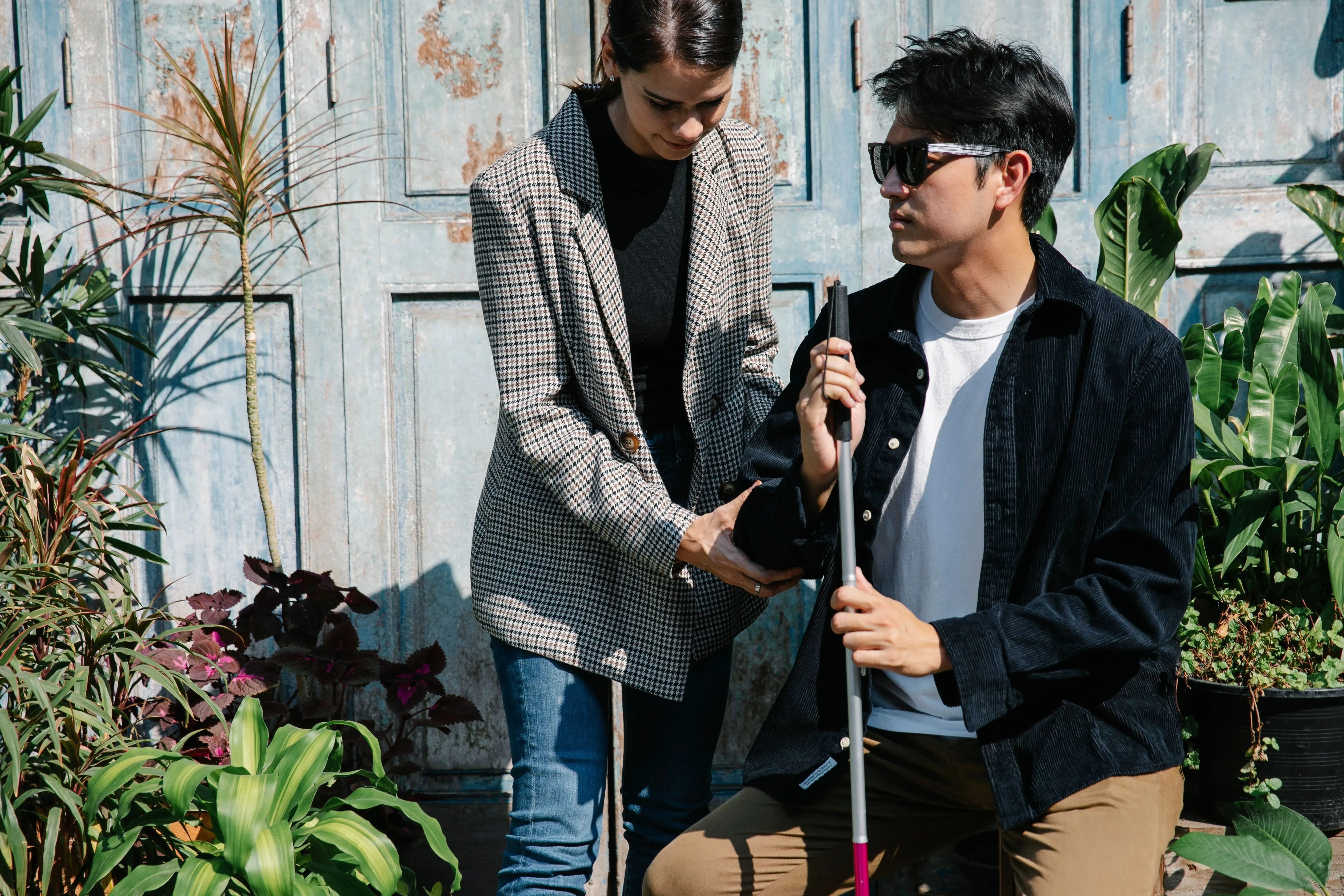
One volunteer runs park runs and half marathons alongside licensed guide runners, who tie their hand to a blind runner's and run the whole course with them. He described inclusion as a mindset first, on the grounds that when the mindset is right, the processes and the governance and the technology follow it.
Another participant said she avoids the word inclusion when she can, because a word used often enough starts to lose its meaning. Her version is an invitation to the party of life, which frightens people less and gets further.
And the thing that got one blind veteran playing golf again after a year away turned out not to be a device. It was a person available to call the line for him, which is also why he was still looking for a regular guide eighteen months later. Most of what makes a city usable comes down to somebody asking before they help and then turning up again next week. That's the whole model behind a Travel Hands journey.
Technology only counts as inclusive when
We closed the session on autonomous vehicles by asking everyone to finish one sentence. Here is what the room said. Technology only counts as inclusive when:
- it stops asking you to prove you belong
- it stops behaving differently for you specifically
- the skeleton of the design is already inclusive, so nothing has to shift to accommodate you
- it serves the purpose it was intended for completely, not partially
- it stops being a question of who can use it and becomes a question of how everyone can
- it works for blind and partially sighted people and every other disability community
- it anticipates what you need without making you feel like the exception
- it isn't priced higher because it serves a smaller share of the population
National Inclusion Week finishes on 20 September. The self-driving taxis will still be circling on the 21st, the glasses will still be on sale, and the decisions that determine whether either works for the people in our sessions are being made right now by people who mostly haven't met them. That's the invitation worth extending this week, and it costs nothing: ask us before you build it, not after you've launched it.
Questions we get asked about this
Can blind people use self-driving taxis? Not easily, yet. The app side is workable with a screen reader, but our community's concerns sit at either end of the journey: finding the right vehicle on a busy street, knowing which door opens onto traffic, and getting from the kerb to a front door with nobody to guide them.
Do self-driving taxis have wheelchair access? Not in the London fleet that launched in September 2026. The vehicles in service are standard saloon cars.
Are camera glasses good for blind and partially sighted people? Many of our community find them genuinely useful for reading menus, labels, signs and packaging, at a fraction of the price of purpose-built assistive eyewear. They are not a mobility aid, so they don't replace a cane or a guide dog, and they raise a real consent problem for everyone else on the street.
Why are camera glasses being banned in some venues? Because the camera is difficult to spot and the recording indicator is easy to miss or cover. The side effect is that a blanket ban on eyewear also removes a reading aid from the customers who depend on it.
When is National Inclusion Week 2026? 14 to 20 September 2026. The theme is "Build Trust. Navigate Change."
Get involved
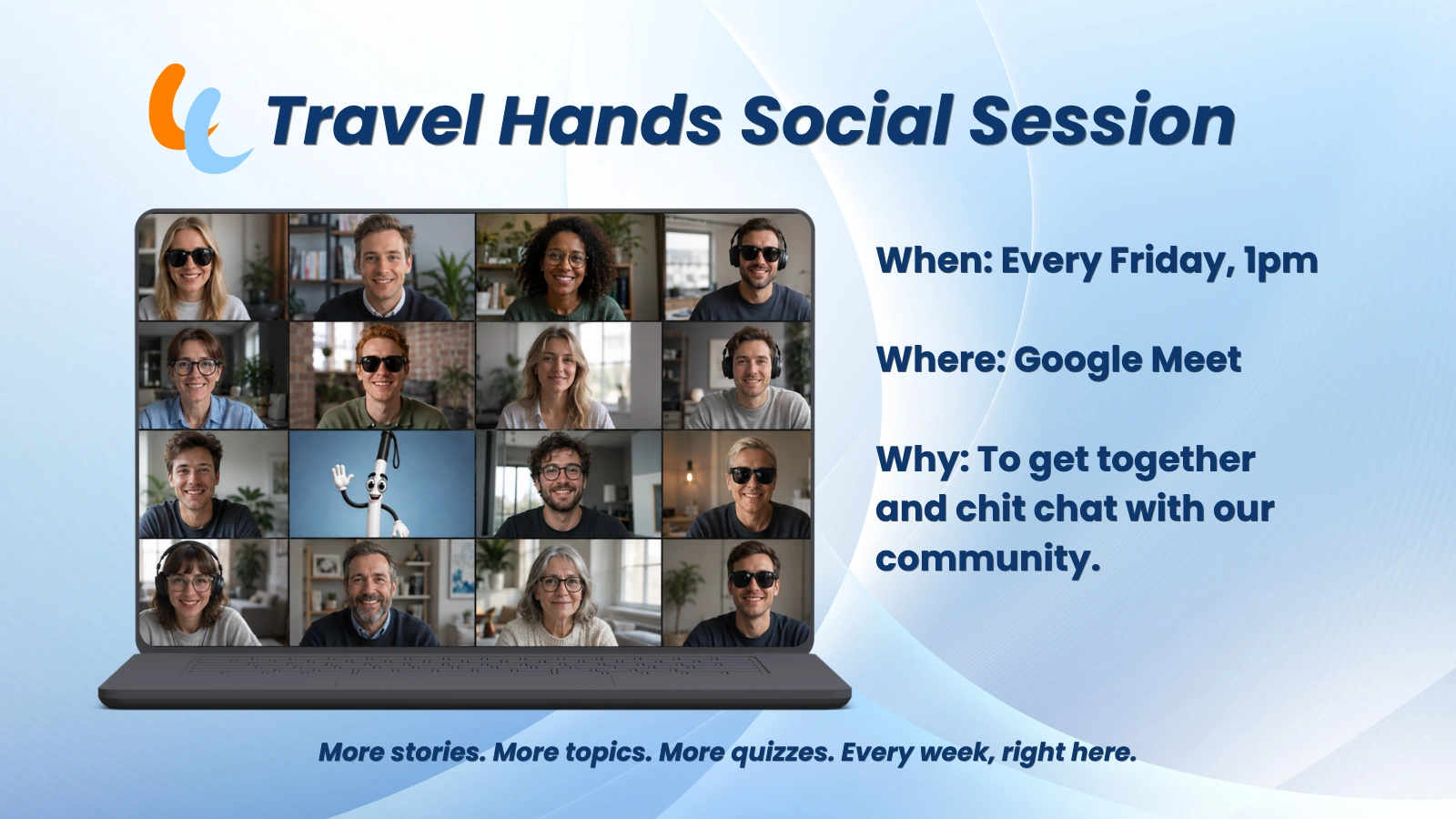
Travel Hands runs an online social session every Friday, open to VIPs, volunteers and anyone in our community, anywhere in the world. If you've used either of these technologies and want to tell us how it went, Join us Here.
- Become a Travel Hands volunteer and fold a guided journey into a walk you were already taking
- Sign up as a VIP and book a journey seven days a week
- Bring your team in if your organisation is marking National Inclusion Week and wants something to do once the week ends
- Download the Travel Hands app or support our work
Be a part of

